
TRENDS DIE
We are farmers by lived experience. We chanced upon these rolling meadows and coffee estate in Sakleshpur and a quaint intuition that this mesmerising silent place could be part of our working middle class family history led to the crowd sourcing of funds to preserve the land, protect its pastoral beauty and ensure the sweeping views simply for the joy of our future generation. Income from our jobs and time after office, weekends and holidays have gone into making the neglected coffee plantation we bought into Siyara & Navni coffee estates and bone dry meadow into Shibira, our home.
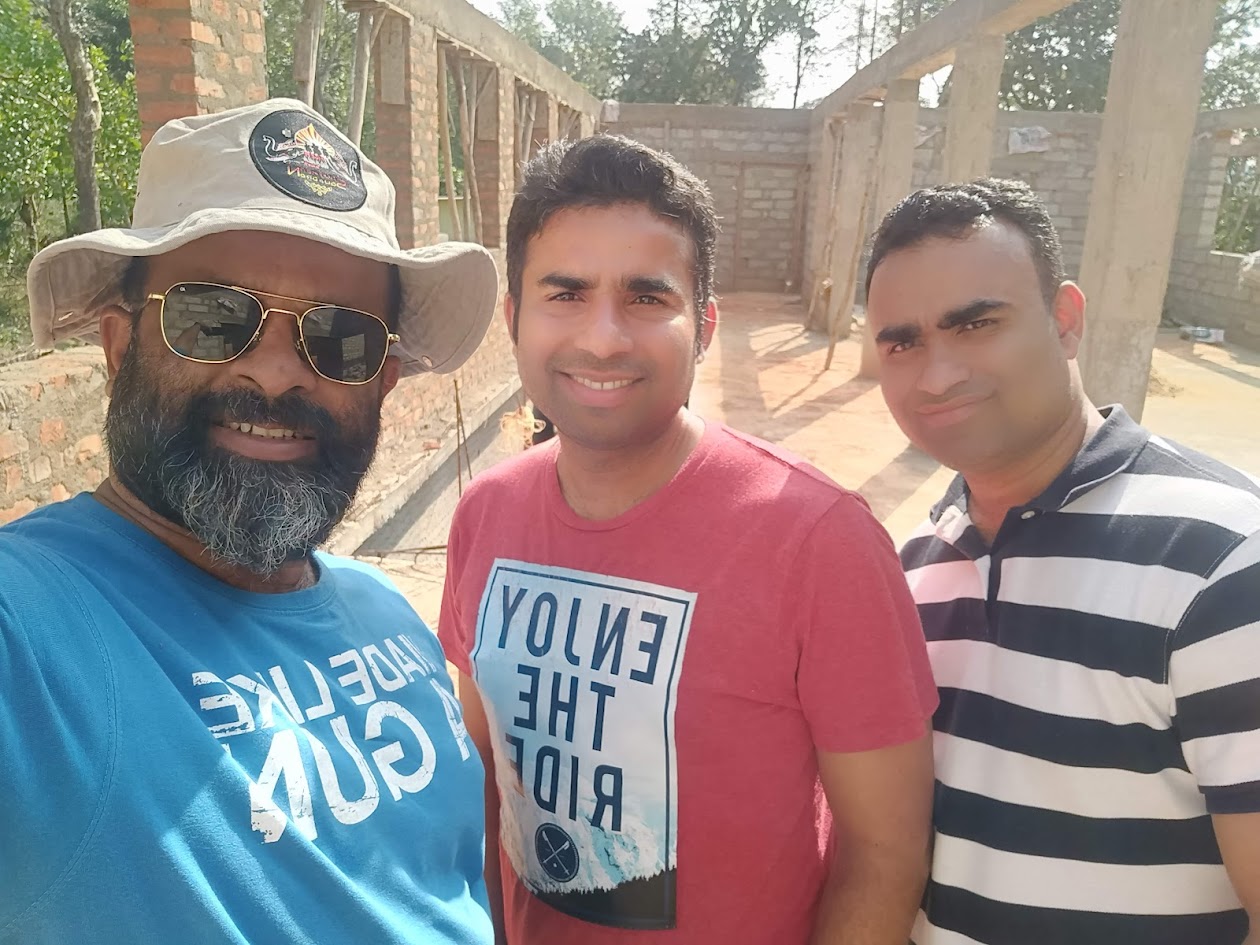
The idea of simple life of farming was an infatuation at first by our youngest techie, picked up sincerely by our oldest techie to which our middle one, an orthopaedic surgeon added his heft. Funnily enough while the three brothers had no roots in farming, their better halves came from agricultural families and that is how the land was bought. We were third owners of the plantation. The second owner did bare minimum maintenance, in wait for and to rake in profits, as the trend of Bangalore techies going rural was catching on.
In these 15 odd years, what we have discovered is that nothing about farm life is about making life simpler. Nothing at all! In fact, it is a cracked idea. We have been crossing paths with all kinds of living things; – ones with legs, ones with leaves, ones with wings, ones tiny but merciless, ones with brains who surprise us with their friendship and their strangeness.
Our work started where it had to and that is ground up. We provided the land bare minimum fertilizers and used no herbicides or pesticides. Mulching and sourcing organic compost made out of kitchen waste anaerobically made into slurry gave the soil a good muscle and plants a boost.

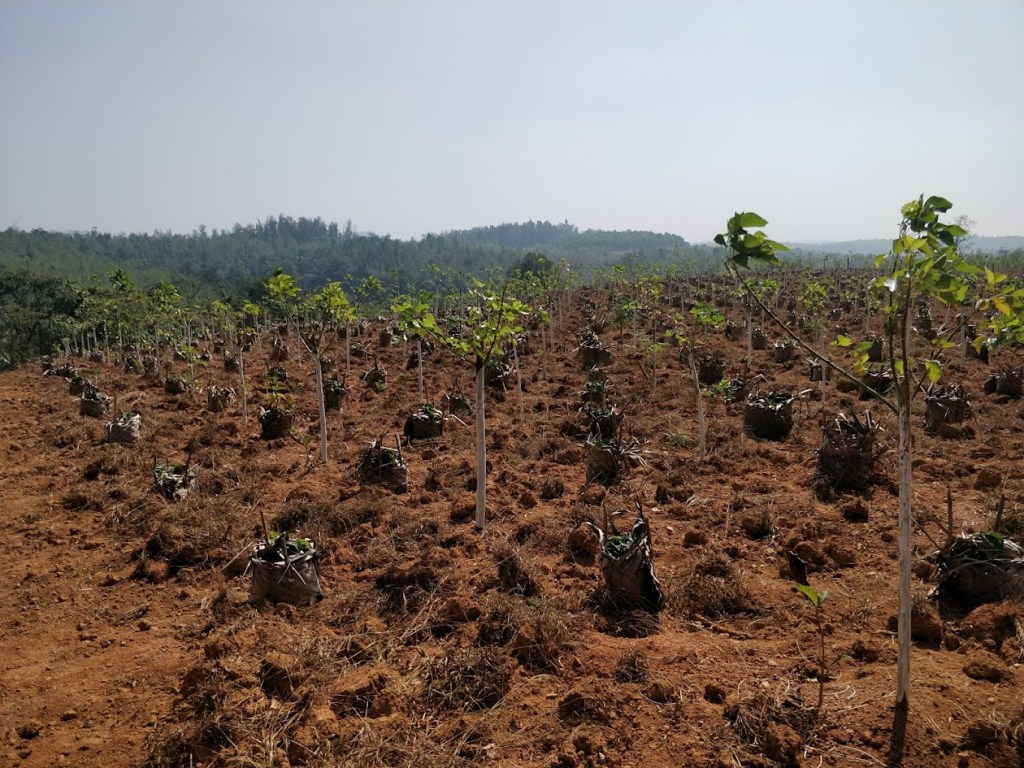
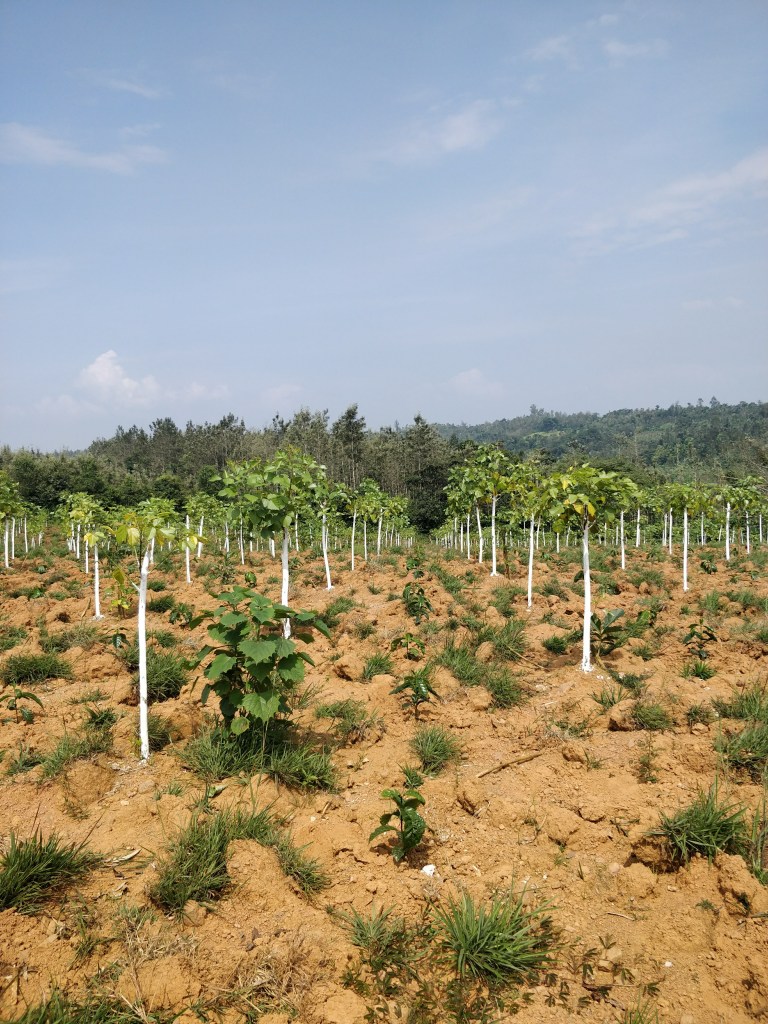

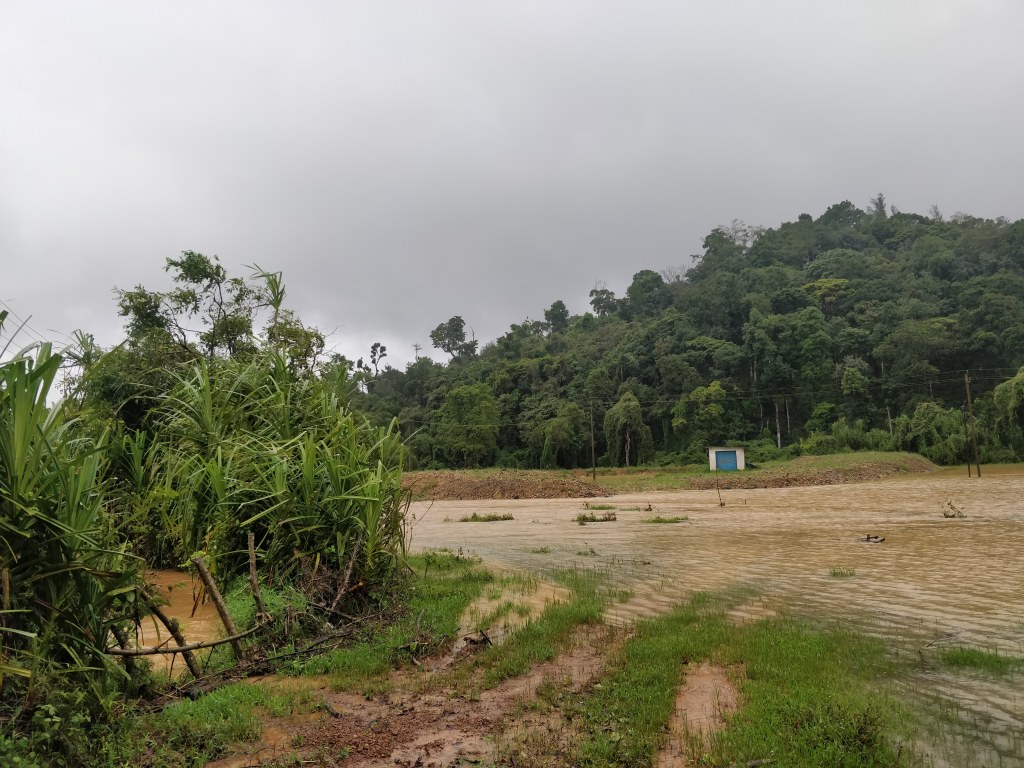
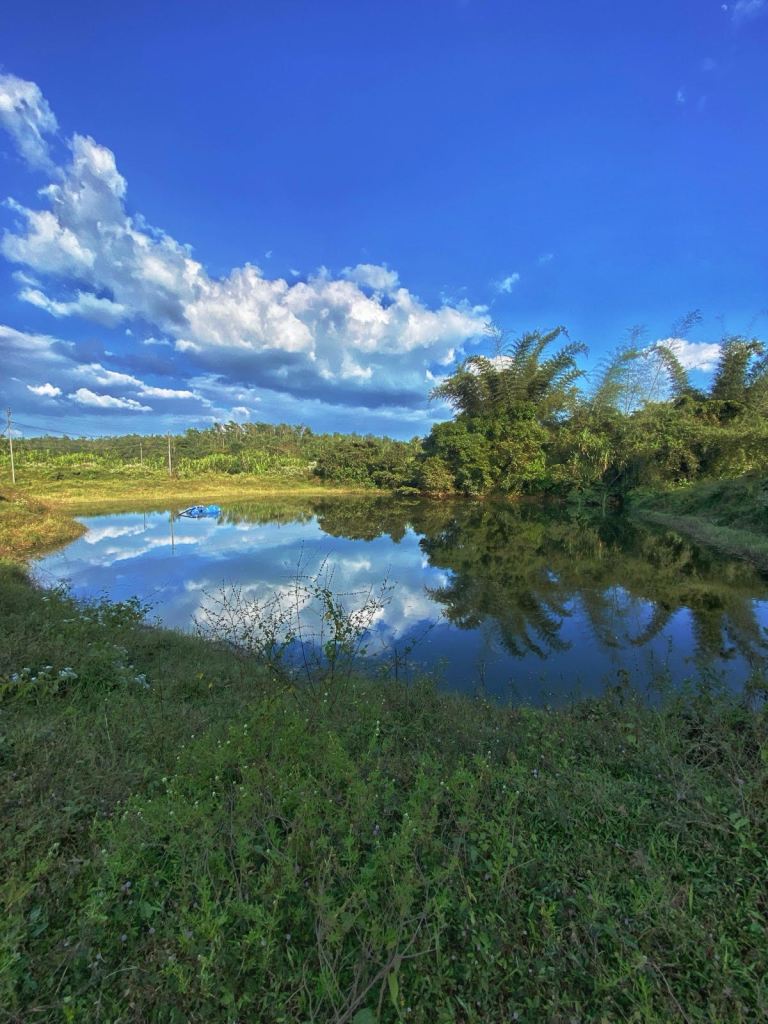
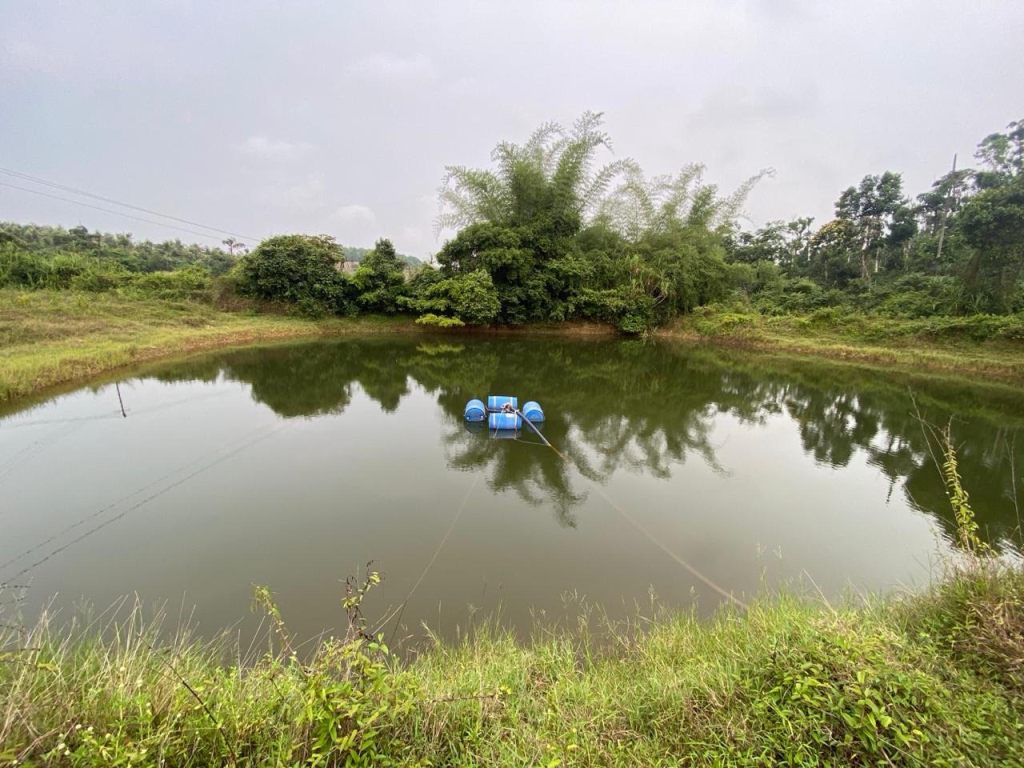
Afforestation was done with planting of 100s of fruit trees and trees native to the malnad region for bio diversity. Only those “vendors” who could scientifically prune the silver oaks (shade trees) were employed. Water was harvested with investment in deepening and expanding the tiny pond that nature had created in the wetlands. A community of coffee, shade trees, native trees, fruit trees, pepper, cardamom, local wild flowers was created. Fed with good quality food, they began to flourish and it was not long before birds and small animals came calling and a real friendship grew creating an eco system wherein each harnessed the other’s gifts and strengths.

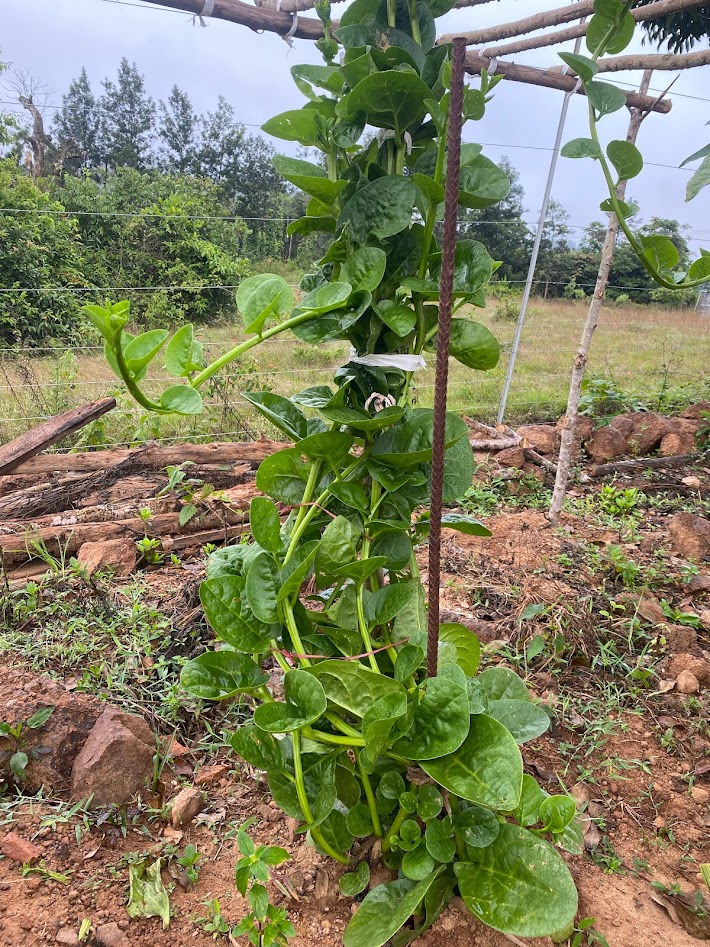
Ideas failed but we tried them again with a better plan each time to convince the local labour about the benefits of ideas to the land. We struggled and continue to struggle with key initiatives like making the necessary slurry with waste or cow urine.



The lack of house to stay at the farm and live for longer periods was a big roadblock in our farming journey. Though we had trained ourselves out of our fear of snakes and other creepy crawlies; camping in a tent drained our energy for full days of farm work. Stay in hotels on every farm visit was a drain on our finances and to build a house of concrete brought in disgust.

Having a farm but no place to shelter there when the pandemic hit shook us. It was another thing we had failed at! Determined we dug deep into our eldest techie’s camping and backpacking travel experiences on motorcycles across the country and the knowledge of one of the better halves’ into alternate building materials and began reaching out locals who were out of work due to covid and started work on our home based on a completely outdoor concept. Shibira was created amidst the plantation on a barren land with minimal earthwork, following the land’s topography without bringing big equipment or digging deep foundations.
We built tiny camping units that stand on a foundation of retread tires filled with sand. Our master bedroom was made out of a converted shipping container (upcycling containers bought from Chennai Shipyard is now a Trend). The guest bedroom was made of paper honeycomb structure sandwiched between cement boards. We built a Pantry with a small cooking space outside it and a granite dining table and a courtyard around open on all sides barring one.
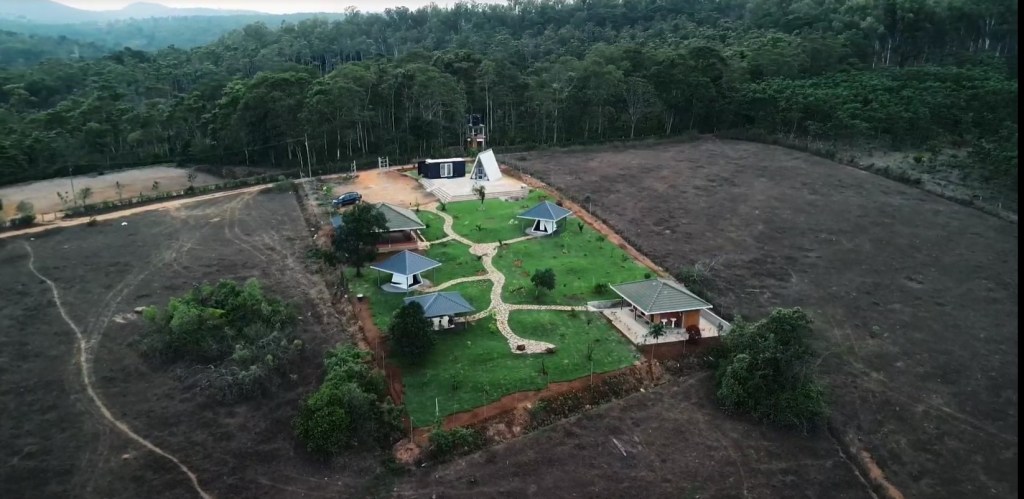
A place to live helped us in implementing new ideas and overseeing them to success. Excited over our home friends on our social media thought we had made a homestay and bombarded us with requests. For them we created a ‘leave it, as you found it’ concept for use of Shibira. This is how we lived there and we thought it was easy. However while everybody wanted to live the farm life, nobody wanted to do something as basic as take their dry waste back with them after a stay so that concept failed royally ! It had been difficult enough becoming farmers, we had no desire to now learn to become hoteliers but the money the popular Shibira could earn when we were not living at the farm could come in very handy. Shibira glamping site was started last year with rules. There are no toiletries provided because it’s not sustainable and there is no buffet because endless choices of food is not a sustainable way to live. Our neighbours, family and friends donated/continue to donate whatever they were bored and tired of – fridge, micro, spoons, dishes, plates, grinders, mugs, glasses, water bottles et al and it was/is used in Shibira until end of its life! There is a fancy name for it – circular economy. Today you can sit in our dining table and bend down to pluck green chillies with your meal! There is a fancy name for it – farm to plate!
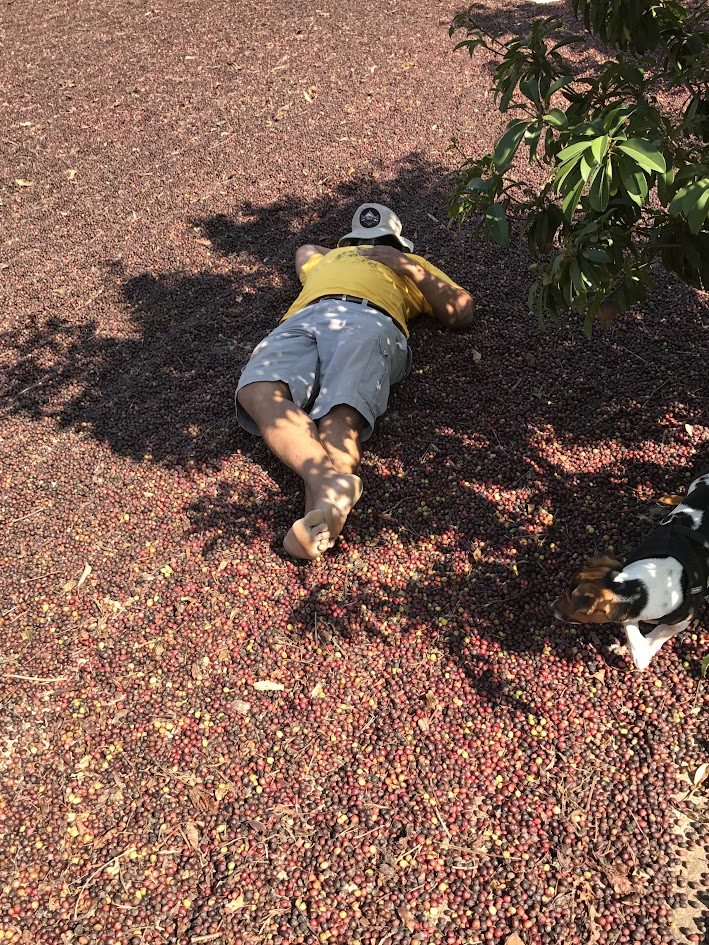
As farmers our cardamom and pepper is pure and delicious sold to our neighbours in Bangalore, our coffee is fetching a great price in the bulk market; our fruit trees are blooming with every avocado well over 600 to 700 gms and our Chikoos are the talk of town as we share it as gifts with friends and neighbours. We eat and grow some of our own veggies though our kitchen garden and our skills are works in progress. Yet when we return from our farm our car is full of dry waste to dispose off in dry waste segregation and recycling centres of Bruhat Bengaluru Mahanagara Palike.
Regular disappointments with people, climate and plants needs some determination and this is why I place self-leadership as the foundation of building our farm on the four pillars of patience, self-training, time and self-education.
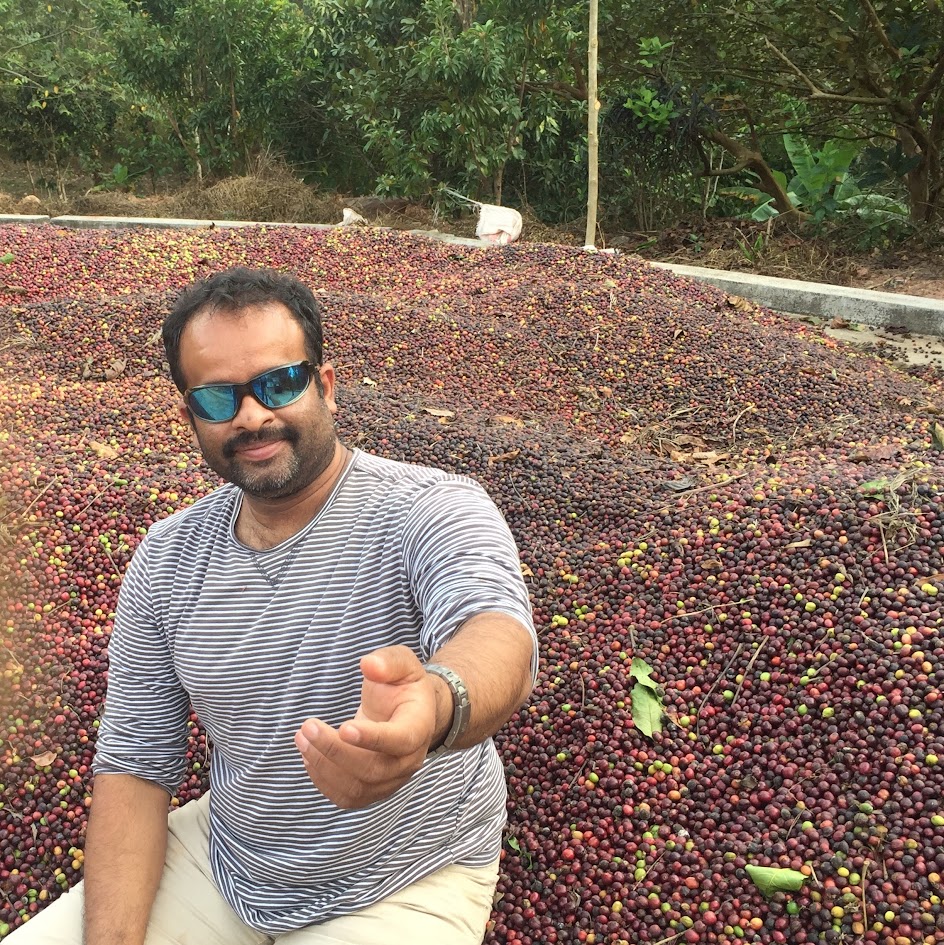
All of us city bred can be farmers but we need be trained or self-train ourselves. Plants may not be social animals like humans but they need friends and companions to rely on thus farming must be a conscious choice of vocation. To build a sustainable farm where efforts bear fruit in the shape of coffee and spice, a home and some sense of “team” , takes lot more permanent and resilient kind of determination. Trends die off.

On June 30th 2025 we published our 1st Anniversary Edition . Click here living-intentionally-can-make-all-time-a-quality-time/
Don’t miss our Feb 14th 2025 Valentines Day edit Make Space for All Kinds of Love – The Doctor Orders
Read Knowledge Hive’s first Christmas Post December 25th 2024 Click here to Read about tools & resources to use Fear to fight fear and Health Anxiety
Dont miss our third post Click here to Read about mental health resources & tools to age & fade away gracefully
Don’t miss our Second Post. Click to read on how to care for Aging Dogs
 Shibira The Camp, Sakleshpur